


Sustaining Family Freedom & Growth
To architect the immediate personal environment and personal care routines to actively reduce cognitive load, neutralize sensory overwhelm, and facilitate the child’s effortless connection, purposeful play, and mastery of daily skills.
Environmental disorganization triggers anxiety in many children. We neutralize potential external stressors by proactively structuring the child’s immediate physical surroundings and direct ADL supports. By absorbing the physical friction of the child’s personal logistics, we sustain an inner state of environmental peace.
For children who rely on predictability, functional self-regulation depends entirely on reliable routines. We honor this fundamental need for consistency by implementing a high-fidelity afternoon architecture centered on stabilizing basic Activity of Daily Living supports.
We expertly architect the critical, often highly stressful shift from a high-stimulation school or clinic environment back to the home. By utilizing personalized, consistent ADL cues, visual schedules, and individualized self-regulation strategies, we facilitate a rapid physiological wind-down that actively lowers the child’s stress levels.
Meticulous ADL synchronization replaces the anxiety of the unknown with stable security. Secure in the absolute knowledge of “what comes next,” the child relaxes quickly, achieving better emotional regulation and a sustained, positive mood baseline throughout the evening.
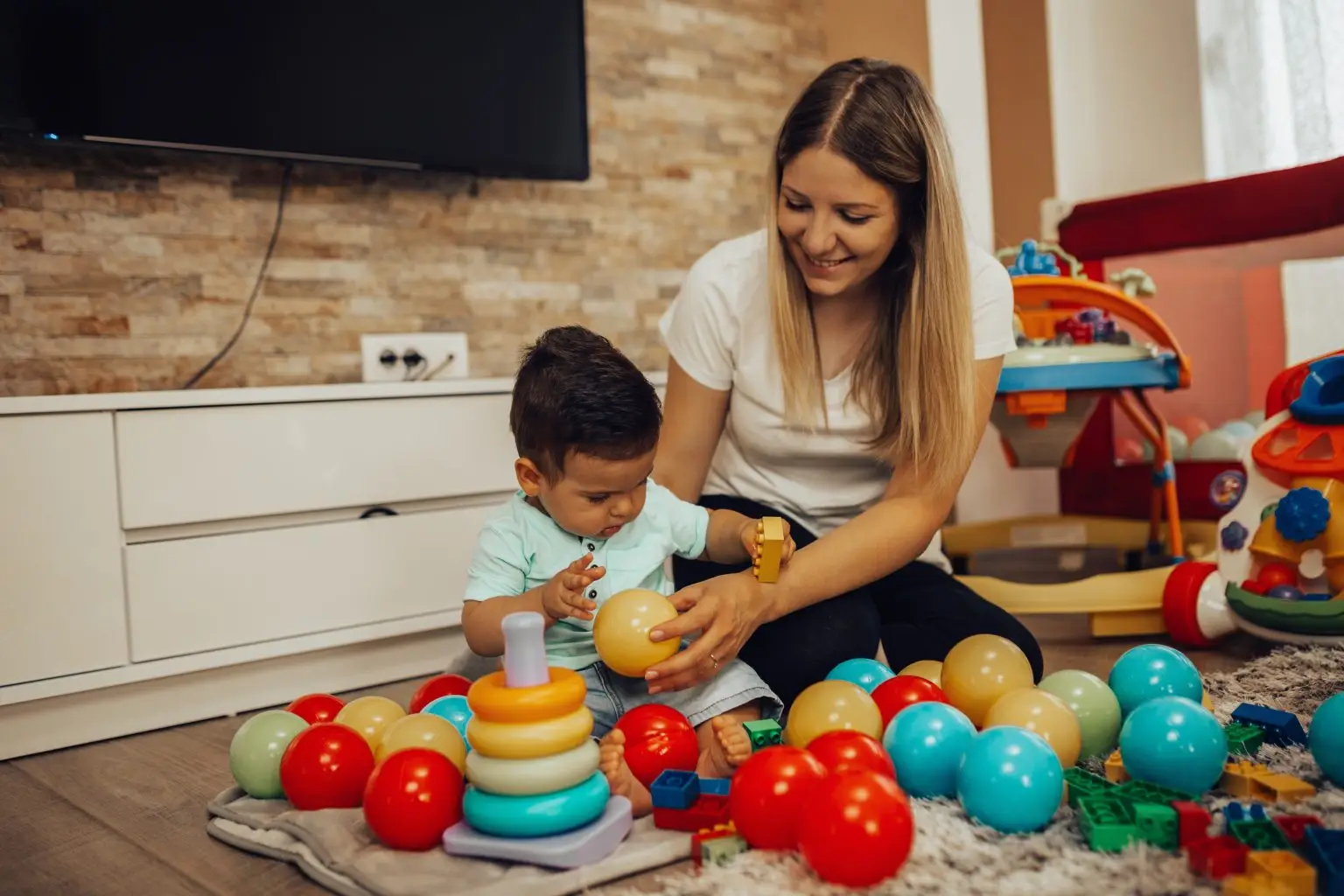
We view play as natural functional practice—the purposeful, joyful “work” of childhood. We transform standard household supervision into enriched, developmental engagement.
We utilize directed play to weave basic life skills and foundational ADLs directly into natural, enjoyable home activities. This includes nutritional setup (assisted eating and feeding), sensory modulation (empowering the child to manage lights and sound), and social communication cues (safely talking about feelings and boundaries) disguised as engaging games.
Simultaneously, our caregivers act as the proactive stewards of the immediate care environment. We ensure feeding stations are sanitary, inviting, and functionally staged. We silently manage child-specific laundry, linen resets, and direct hygiene protocols (handwashing, bathing, toileting). By neutralizing visual clutter in play areas, we ensure the child’s direct world is inviting rather than overwhelming.
Directed play fosters profound feelings of competence, pride, and purposeful mastery. Furthermore, maintaining a synchronized and orderly direct care environment clears visual and mental interference, nurturing inner calm, focus, and a significant reduction in cognitive frustration.